
"reaction kinetics"
3810 article(s) found
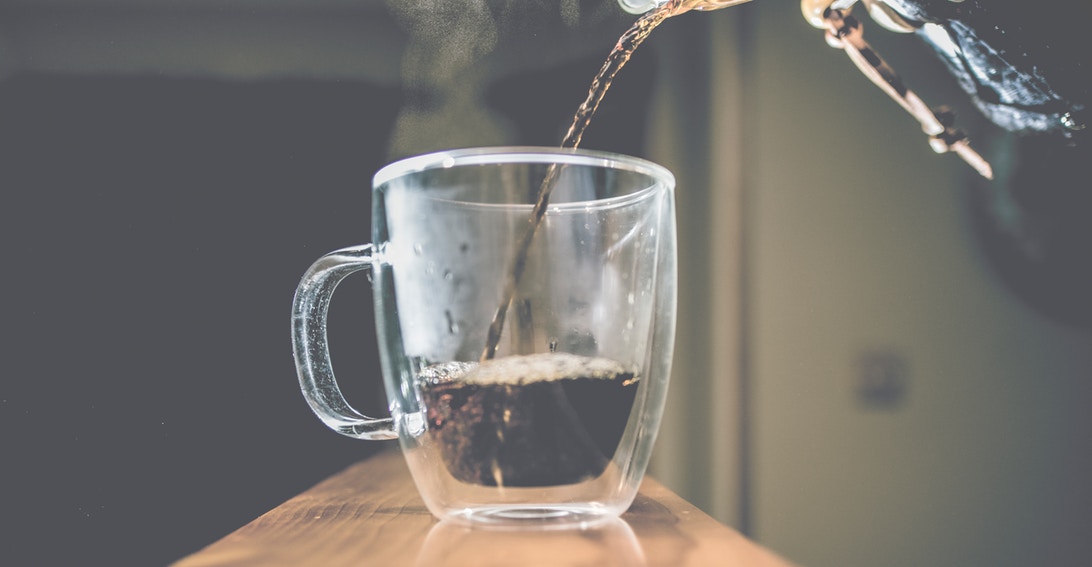
How do you analyze coffee's chemical composition to predict flavor, aroma and quality?
Professional coffee knowledge exchange More coffee bean information Please pay attention to the coffee workshop (Weixin Official Accounts cafe_style) There are many factors that affect the flavor of coffee: variety, roasting degree, brewing formula, processing method, etc., but when you look deeper, you will find that flavor depends on only one thing: the composition of compounds. Coffee roasting method, coffee variety, species

[photo] what details do you need to pay attention to to make coffee sweet? Roasting degree and characteristics of coffee beans
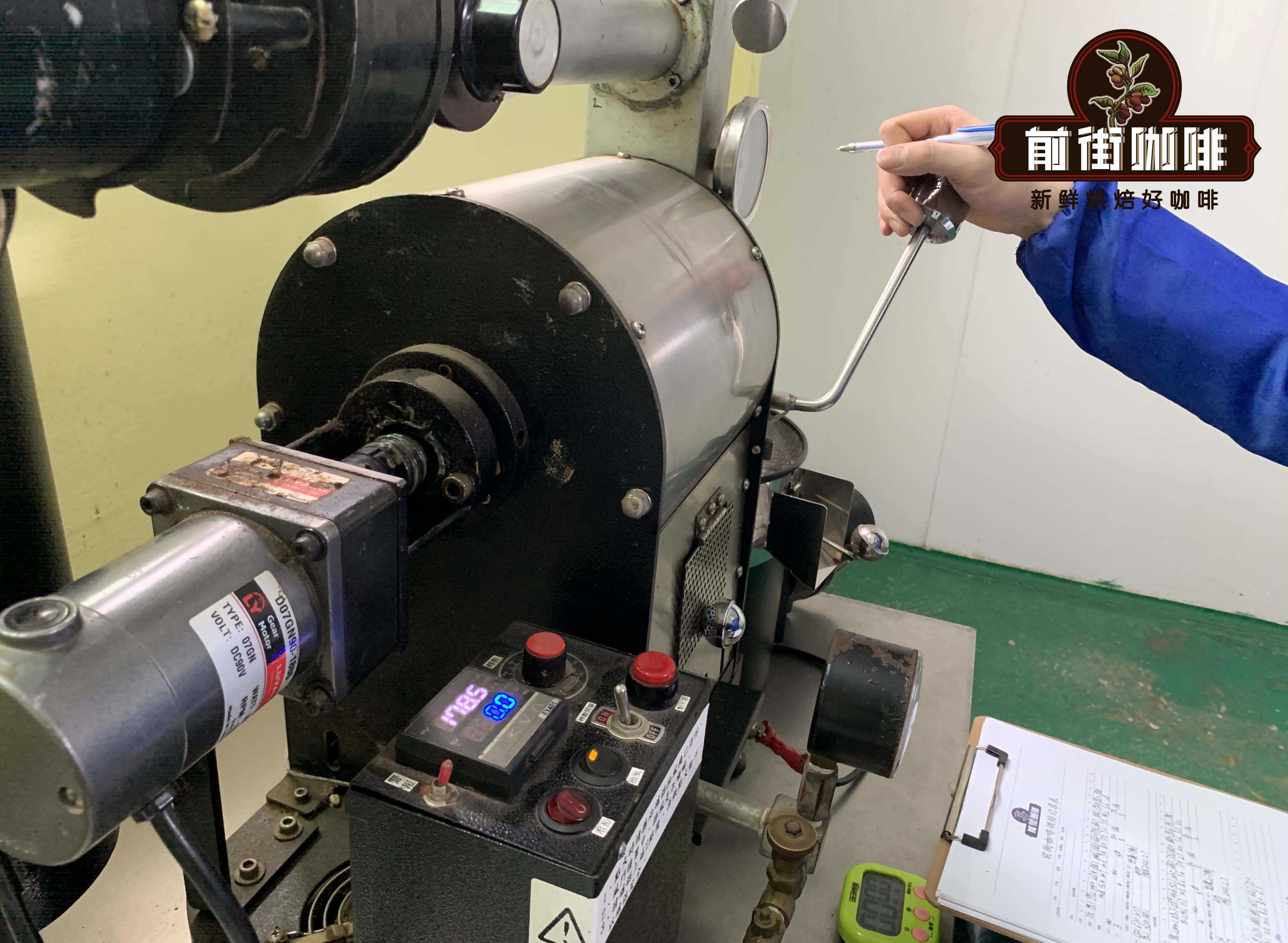
Last lesson we learned about the effect of development on coffee flavor during coffee roasting. The longer the development, the deeper the roasting of the coffee will be. In this class, we are going to explore how the relay period plays a role in coffee throughout the roasting process. Review what is the relay period, the period from the yellow point to the beginning of the explosion, during which time, coffee

[coffee roasting] Fire throttle control of roaster (4) | Coffee workshop
Communication of professional baristas Please follow the coffee workshop (official Wechat account cafe_style) when dehydration goes through to the change of raw beans to yellow, indicating that a series of chemical reactions such as Maillard reaction, which are crucial to the production and transformation of coffee flavor substances, begin to take place actively. However, at this time, it is not said that the dehydration of raw beans stops, but the baking process begins to change by mainly removing the moisture of raw beans.

How to get sweetness in coffee Maillard reaction of roasted coffee beans strawberry sweet flavor coffee
That's part of the reason why it's so important that pickers are well trained and paid. Only ripe cherries.
Why coffee beans are roasted? the difference between shallow roasting and deep roasting Yega Chuefei coffee beans
Professional coffee knowledge exchange more coffee bean information please follow the coffee workshop (Wechat official account cafe_style) before the third wave of boutique coffee, that is, in the 1970s and 1990s, there was no boutique coffee, that is, commercial coffee beans were mainly commercial coffee beans. If commercial coffee beans are roasted lightly or moderately, it is easy to drink the defective flavor and unclean taste of coffee.

What is the fragrance of coffee beans? why the aroma of coffee beans comes from inexplicable chemical reactions.
Professional coffee knowledge exchange more coffee bean information please follow the coffee workshop (Wechat official account cafe_style) front street-coffee aroma source introduction aroma, flavor, aftertaste, acidity and alcohol thickness these five attributes are collided by different compounds. On the cup table, we use our senses to analyze the taste and aroma, which are also caused by chemical compounds. Let's smell dried incense first.
"Coffee roaster companion" the chemical substances of raw beans the structure and changes of coffee beans
Chapter 2: chemical substances of raw beans author: Scott Rao translator: Huaxia coffee raw beans are strong and green seeds, 50% of which are different forms of carbohydrates, and the other 50% are composed of water, proteins, lipids, acids, and various biological bases. Coffee roasters can bake good coffee without knowing the many chemicals in raw beans, but
Coffee health details caffeine allergic reaction
The common side effects and allergic reactions are skin eczema, urticaria or xanthine structural asthma, and pleomorphic erythema-like drug eruption. People with high allergies often experience sudden restlessness, loss of consciousness, cyanosis in the lips, and then respiratory and heartbeat arrest during the injection. Drug overdose poisoning is more common in children with overdose or misuse, exceeding the maximum treatment dose (6mg/Kg/ times), early stage

Children experience the first cup of coffee in their life, and their reaction is unexpectedly?
Please follow the coffee workshop (official Wechat account cafe_style). Do you remember when you had your first cup of coffee in your life? I believe that when most people were young, they couldn't understand why adults love coffee. We, who used to be addicted to sweetness, are gradually unable to extricate ourselves from the taste of coffee as we get older, and we are used to drinking five or six cups of coffee a day.
Coffee will produce chemical reactions during roasting. The sour taste and source of coffee.
Coffee beans produce numerous chemical reactions during roasting, which not only change the color of coffee beans, but also create hundreds of flavor and aromatic compounds that no longer exist before. The roasting of coffee beans makes the beans crisp so as to facilitate grinding and enhance the internal permeability of coffee beans. Through the fusion with water, it is more conducive to the extraction of soluble flavor factors in coffee beans.

Coffee bean roasting is a chemical reaction that takes place. Coffee flavor is reflected.
The structure of coffee is a well-developed matrix, which improves the consistency of quality and contributes to the uniform spread of heat during baking. Cellulose exists in coffee in the form of embedded in lignocellulose (an amorphous matrix containing hemicellulose and cellulose-containing lignin), which form matrix unit walls (cell walls). Hemicellulase (hemicel)

Experts suggest that you should not drink alcohol or coffee within a week after taking anti-inflammatory drugs.
A few days ago, a post was forwarded crazily by netizens: I received a phone call from my mother in the morning and my brother died of a heart attack the night before last. At the same time of grief, I hope you know that drinking alcohol during taking anti-inflammatory drugs can cause fatal adverse reactions. Pharmaceutical experts remind you: if you use anti-inflammatory drugs, don't drink alcohol for a week. When alcohol enters the body, it is first treated with oxygen by ethanol dehydrogenase in hepatocytes.
Coffee roasting | what is roasting? What are the chemical reactions in baking?
Professional coffee knowledge exchange more coffee bean information Please follow the coffee workshop (Wechat official account cafe_style) Coffee sharing coffee roasting the so-called coffee bean roasting (coffee roasting) refers to the heating of raw beans to promote a series of physical and chemical reactions inside and outside of coffee beans. When coffee beans are roasted, the volume of coffee beans will expand, which is larger than that of raw beans.

Coffee roasting-- the secret to the aroma of coffee beans
Professional coffee knowledge exchange more coffee bean information please follow the coffee workshop (Wechat official account cafe_style) first pressurize and then explode, which is the secret of the coffee bean aroma. You should know that there are many steps in the roasting process of coffee. This article will focus on the commercial roaster to observe the roasting stage, and the roasting process produces active chemical reactions inside the beans.
The relationship between the decomposition of chlorogenic acid and coffee roasting process
Follow Kaiping (official Wechat account vdailycom) found that chlorogenic acid is formed by the dehydration condensation of quinic acid and caffeic acid through esterification. This is a reversible reaction. In other words, chlorogenic acid can be hydrolyzed into quinic acid and caffeic acid when it comes to water. Since hydrolysis is an endothermic reaction, coffee is roasted.

General knowledge of Fine Coffee reaction in the process of roasting coffee
Once the coffee seed is planted, no one can change its final quality. However, the color, aroma, bioactive components and health characteristics of coffee are related to the roasting process. During the roasting process, coffee is heated at 190-220 degrees for 7-20 minutes, which helps to bake out its aroma and good taste, and helps to form lactone, nicotinic acid and resistance.
Chemical reaction of Coffee in roasting
Coffee has a rich, wide range of flavors. Coffee produced in different regions, different elevations, different climates and different producing areas has its own unique characteristics. Raw beans are fragrant and have no usual coffee taste at all; the taste of coffee comes from proper roasting. Show fruity (light roasting) or caramel sweetness (deep roasting). The lighter the baking, the more sour it tastes. Baking.
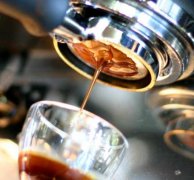
Chemical reaction of Fine Coffee in roasting
Coffee has a rich, wide range of flavors. Coffee produced in different regions, different elevations, different climates and different producing areas has its own unique characteristics. Raw beans are fragrant and have no usual coffee taste at all; the taste of coffee comes from proper roasting. Show fruity (light roasting) or caramel sweetness (deep roasting). The lighter the baking, the more sour it tastes. Baking.
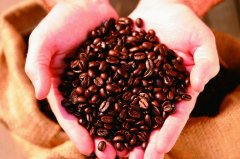
Coffee Basics Chemical Reaction of Coffee in Roasting
Coffee has a wide variety of flavors. Different regions, different altitudes, different climates, different origins of coffee production have their own unique characteristics, green beans are fresh and completely without the usual coffee taste; coffee taste comes from proper roasting, showing fruity (medium light roast) or caramel sweet (deep roast). The lighter the roast, the more sour the taste.
Chemical reaction of coffee beans in roasting
Coffee has a rich, wide range of flavors. Coffee produced in different regions, different elevations, different climates and different producing areas has its own unique characteristics. Raw beans are fragrant and have no usual coffee taste at all; the taste of coffee comes from proper roasting. Show fruity (light roasting) or caramel sweetness (deep roasting). The lighter the baking, the more sour it tastes. Baking.